The Africa Climate Collaborative at the University of Ghana recently hosted a pivotal event at the Institute of Statistical, Social and Economic Research (ISSER), aimed at strengthening women’s leadership in climate action. Beyond celebrating contributions to sustainable development, the event served as a strategic platform to identify and highlight high-impact, women-led enterprises with the potential to equip young Africans with essential green employable skills.

The event, which served as the Africa Climate Collaborative's commemoration of International Women's Day 2026, brought together a diverse group of stakeholders, including academics, policymakers, entrepreneurs, and students, to explore how to scale these enterprises to bridge the gap between climate innovation and youth workforce development.
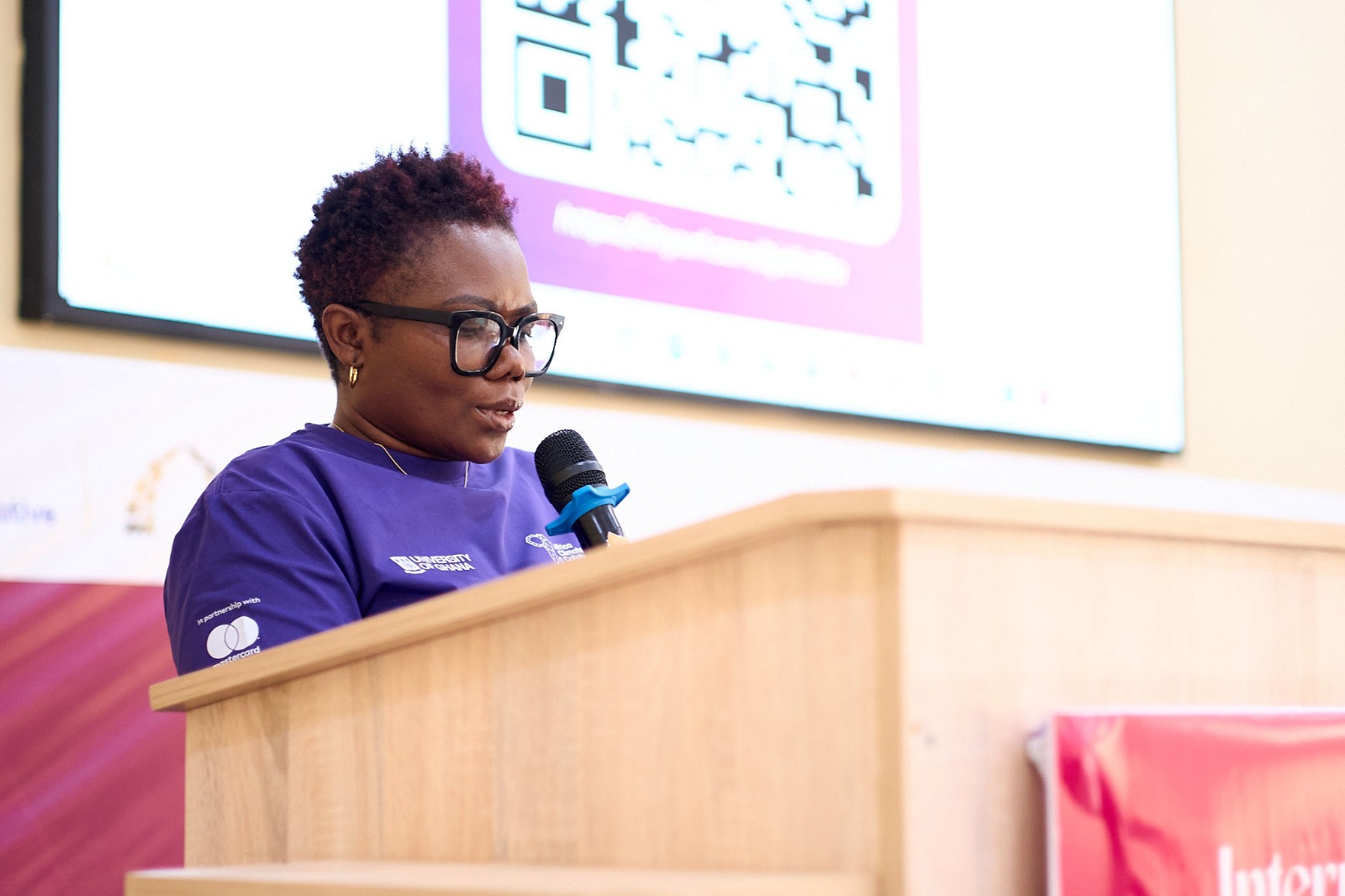
Opening the event, Dr Efua Esaaba Mantey, Co-Activity Lead for Gender Equality, Disability, and Social Inclusion, emphasised the importance of ensuring women are represented in decision-making. Prof. Christopher Gordon, Deputy Project Director (Technical), reaffirmed the Collaborative’s commitment to building climate resilience through innovation and capacity development, noting that scaling women-led ventures is vital to preparing the next generation for the green economy.
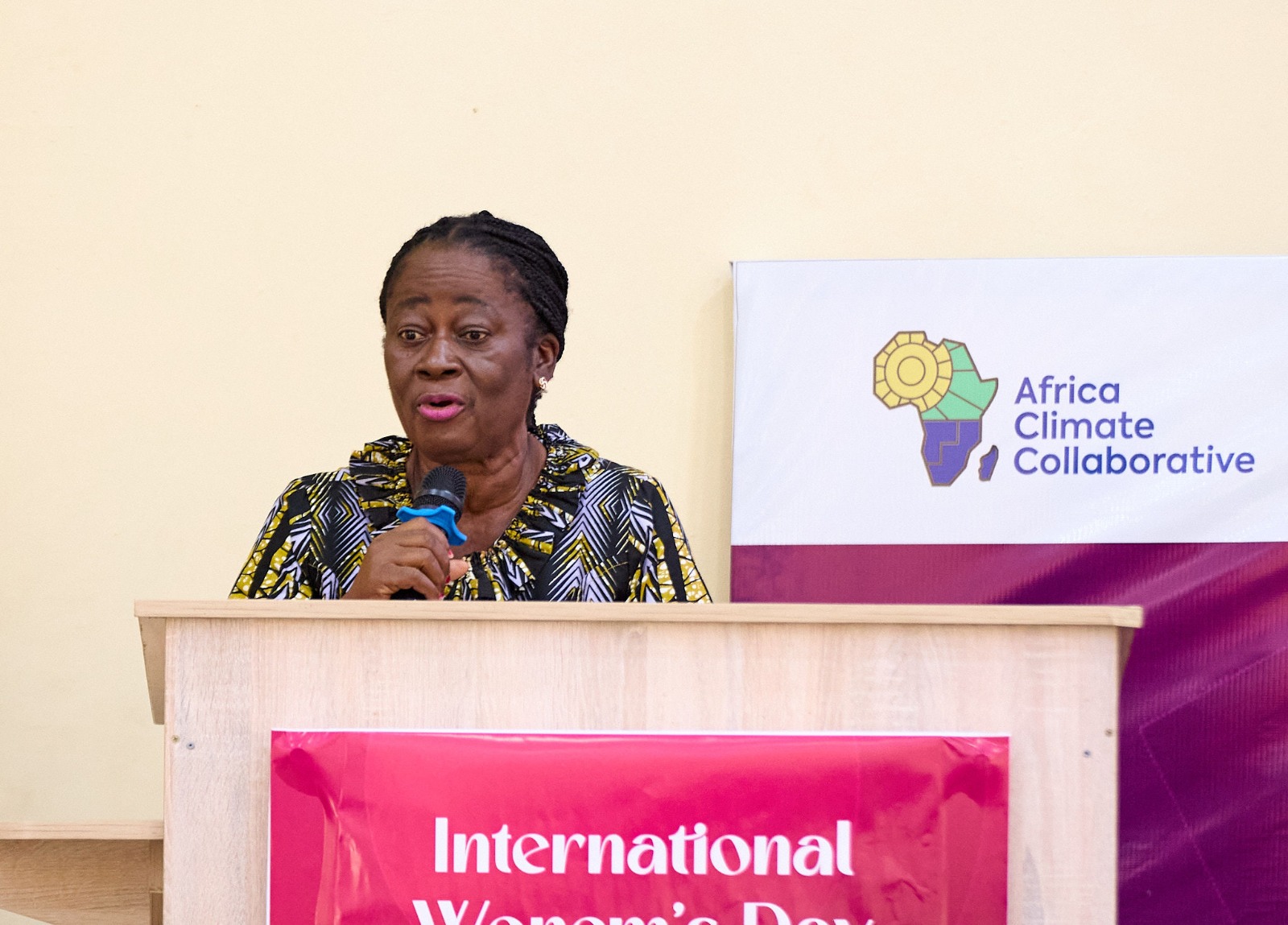
Keynote speaker Dr Rose Mensah-Kutin, West African Regional Director of ABANTU for Development, underscored that women are critical agents of change. "Women are not just victims of climate change; they are innovators whose leadership is essential to building a climate-resilient future," she stated, highlighting the role these leaders play in creating pathways for youth engagement.
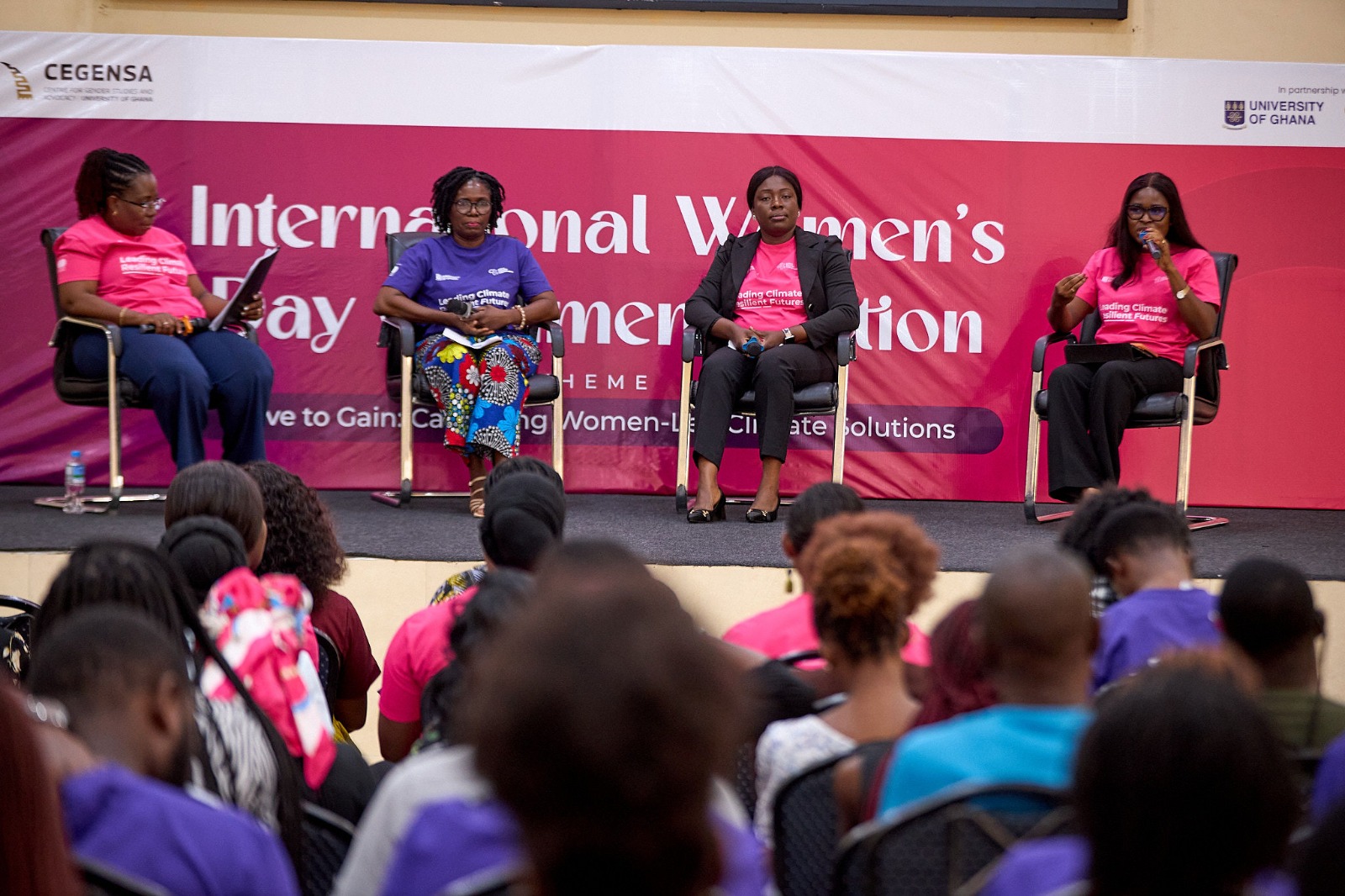
The program featured "Climate Spotlight" presentations by Ms Joy Onyoibo Augustine and Dr Mercy Nuamah Quanoo, showcasing how scientific research and community initiatives are creating new frameworks for sustainable business. Additionally, a panel moderated by Prof. Deborah Atobrah, titled Advancing Inclusive Climate Financing in Africa, addressed the practical barriers to scaling these enterprises to maximise their capacity for youth training and employment.

A major highlight was the pitch session, where women entrepreneurs showcased ventures, including Agritom Ventures, GreenHer, Impact Footprints Africa, Women in Timber Ghana, and Girl Farms Hub, that are actively creating opportunities for young people to gain hands-on green skills, whether through starting their own climate-smart enterprises or securing sustainable employment within the sector.
In recognition of their potential to transform the workforce and their commitment to sustainable innovation, the Africa Climate Collaborative presented awards to these outstanding enterprises:
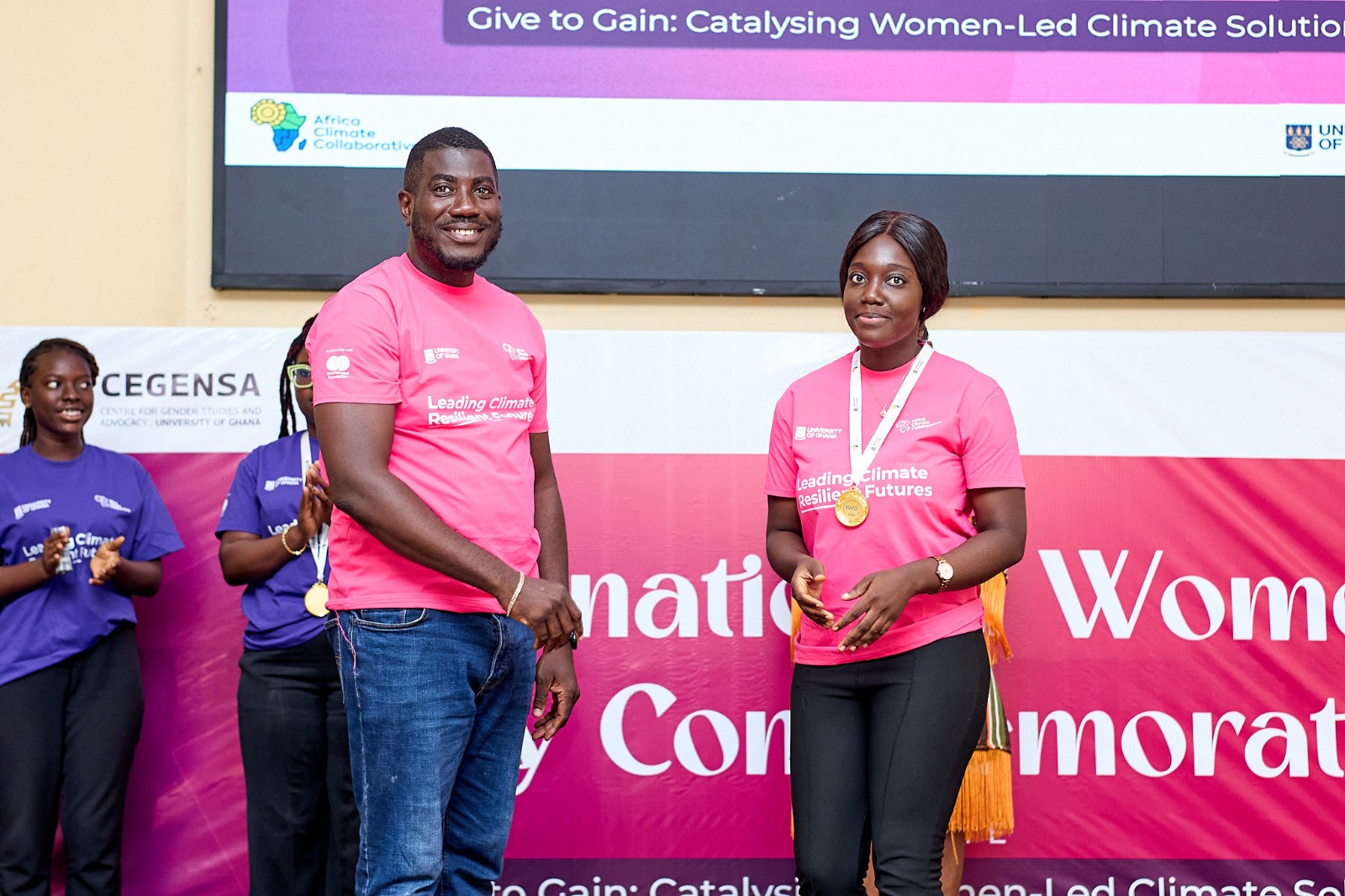
Individual Award: Nana Akua Gyimah, Founder and Project Lead of ECO SEED BALLS.
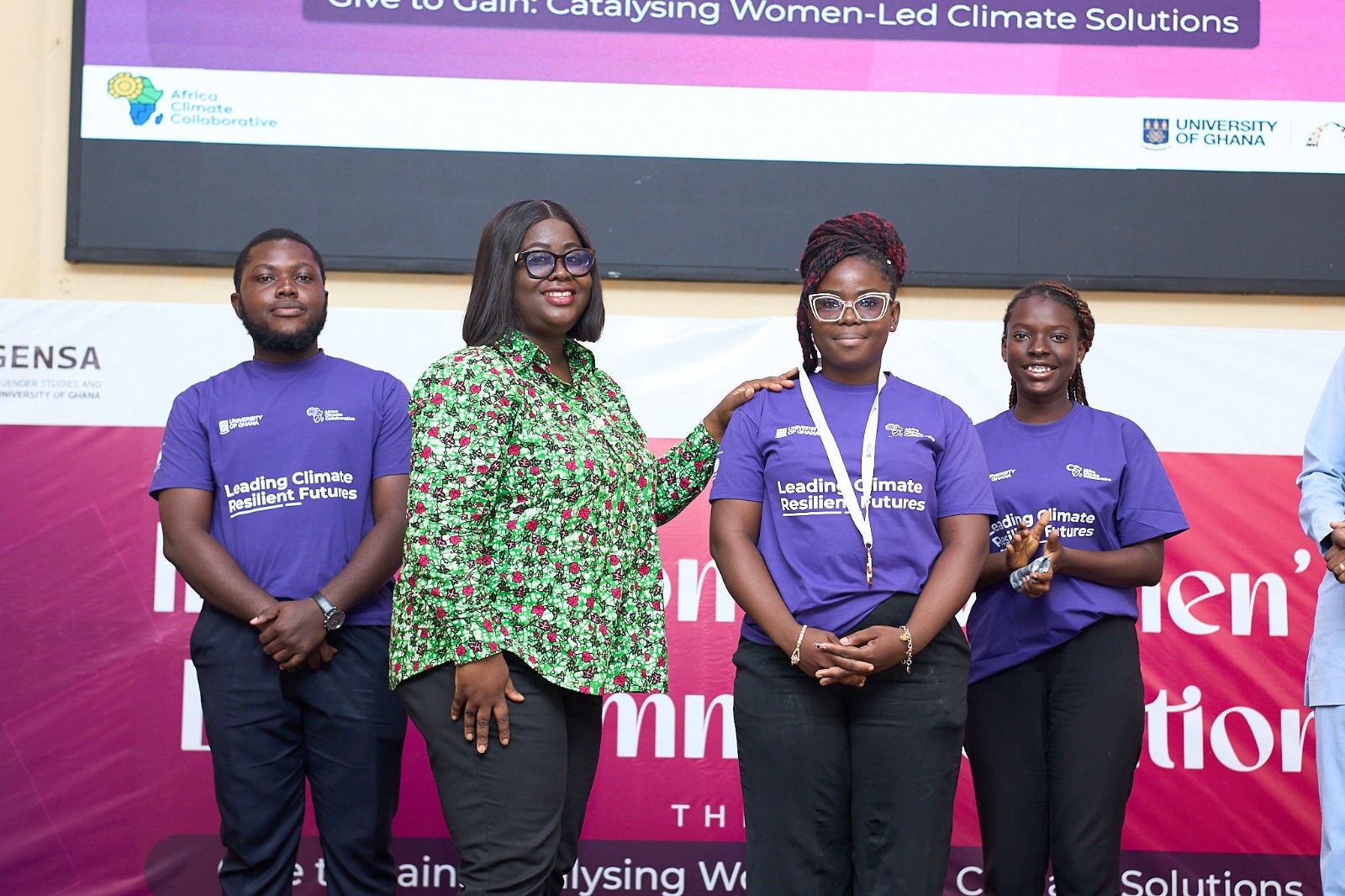
Group Award: Agritom Ventures.
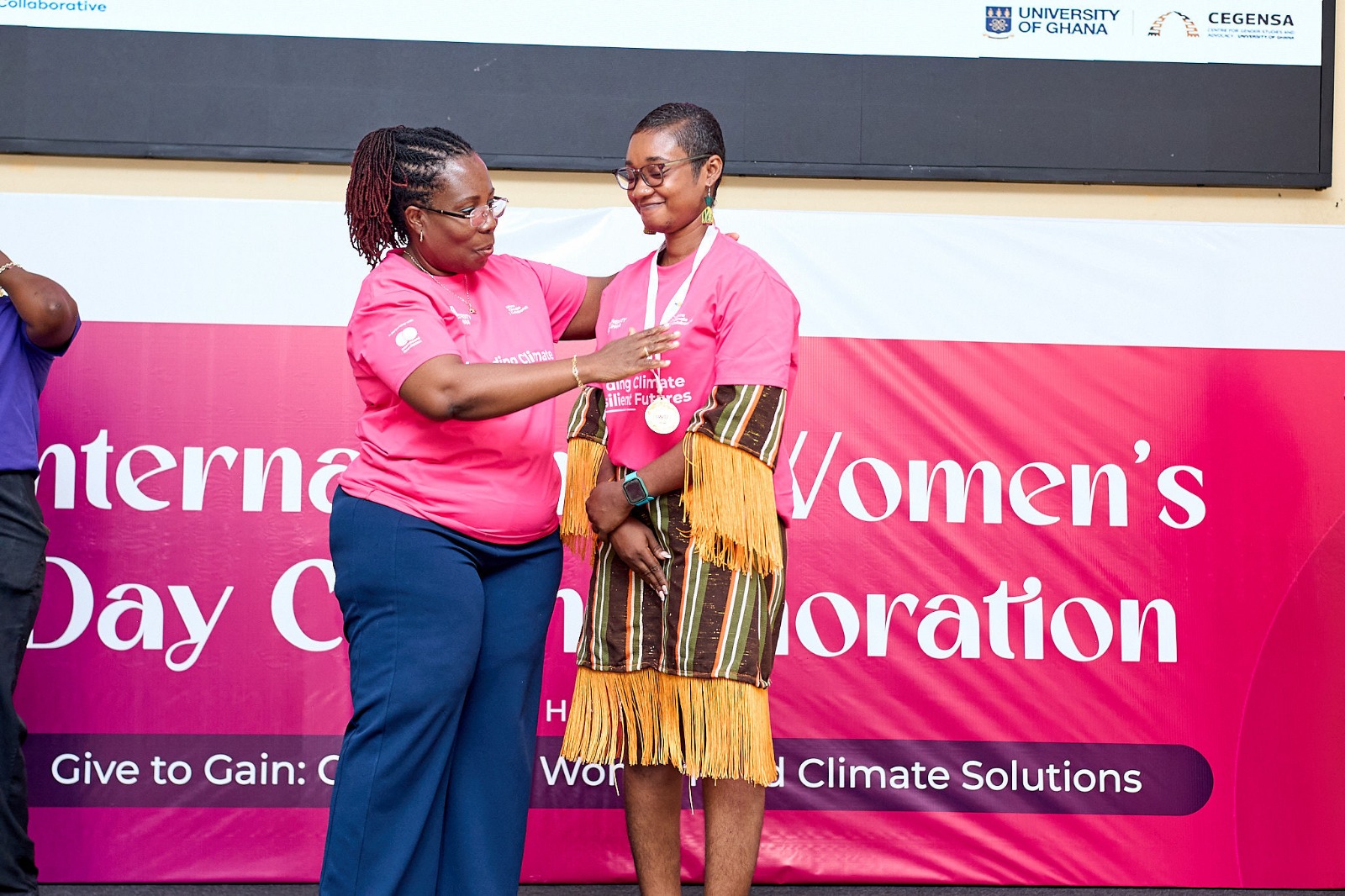
Organisational Award: Girl Farms Hub.
The event concluded with a renewed pledge by the Africa Climate Collaborative to support these women-led solutions. By fostering an ecosystem where these ventures can thrive, the Collaborative is positioning them to serve as hubs for youth skill acquisition, ensuring that young Africans are better prepared to drive the continent’s green economy.