The University of Ghana Africa Climate Collaborative, in partnership with the Mastercard Foundation, commemorated World Environment Day on June 5, 2026, by commissioning a greenhouse facility at the Senior High Technical School for the Deaf in Mampong-Akuapem in the Eastern Region.
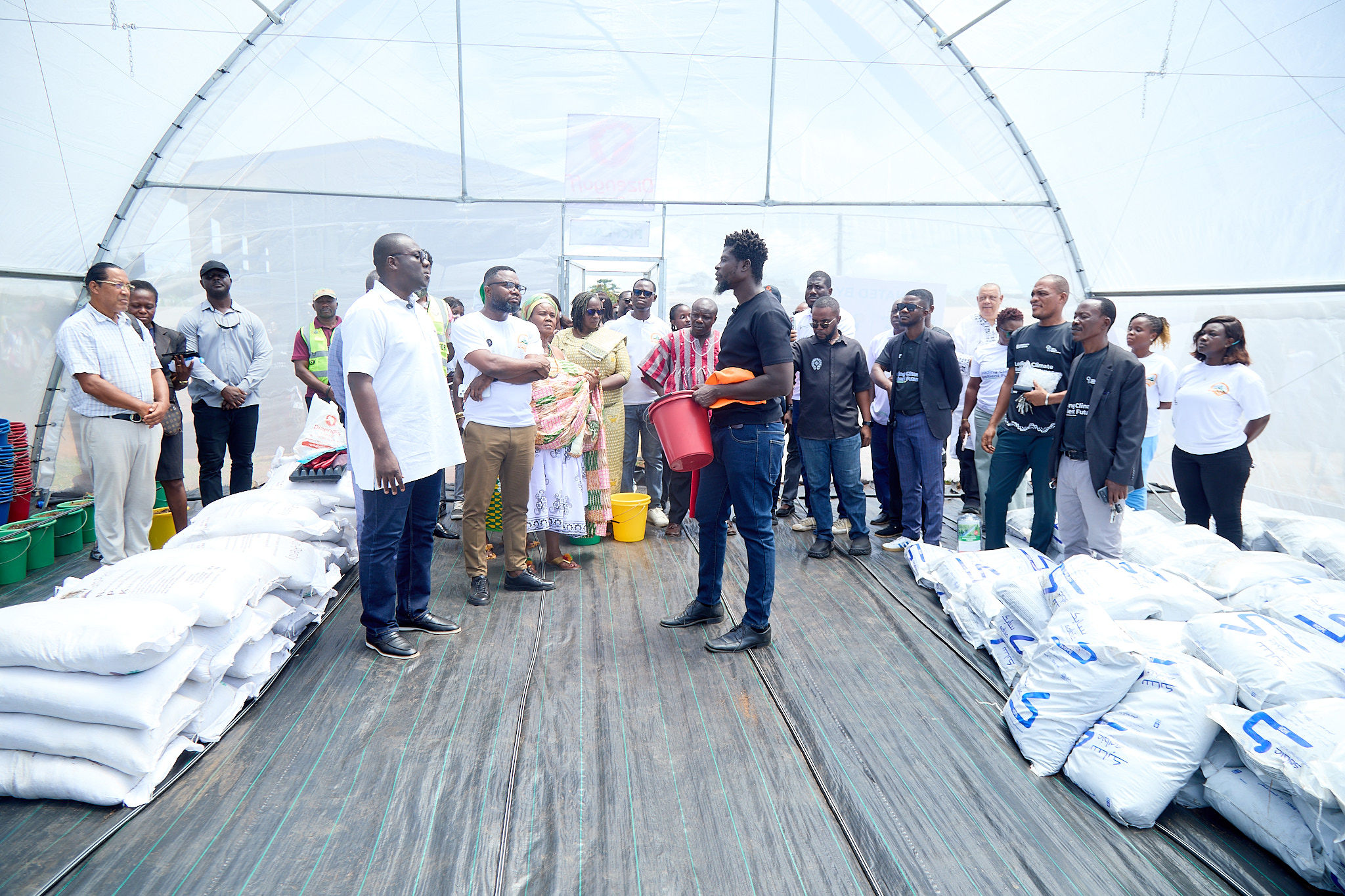
The initiative aims to equip students with disabilities with practical skills in sustainable agriculture while supporting food production for consumption within the school. Through the project, students will receive direct training in climate-smart farming techniques, greenhouse management, and sustainable food production practices.
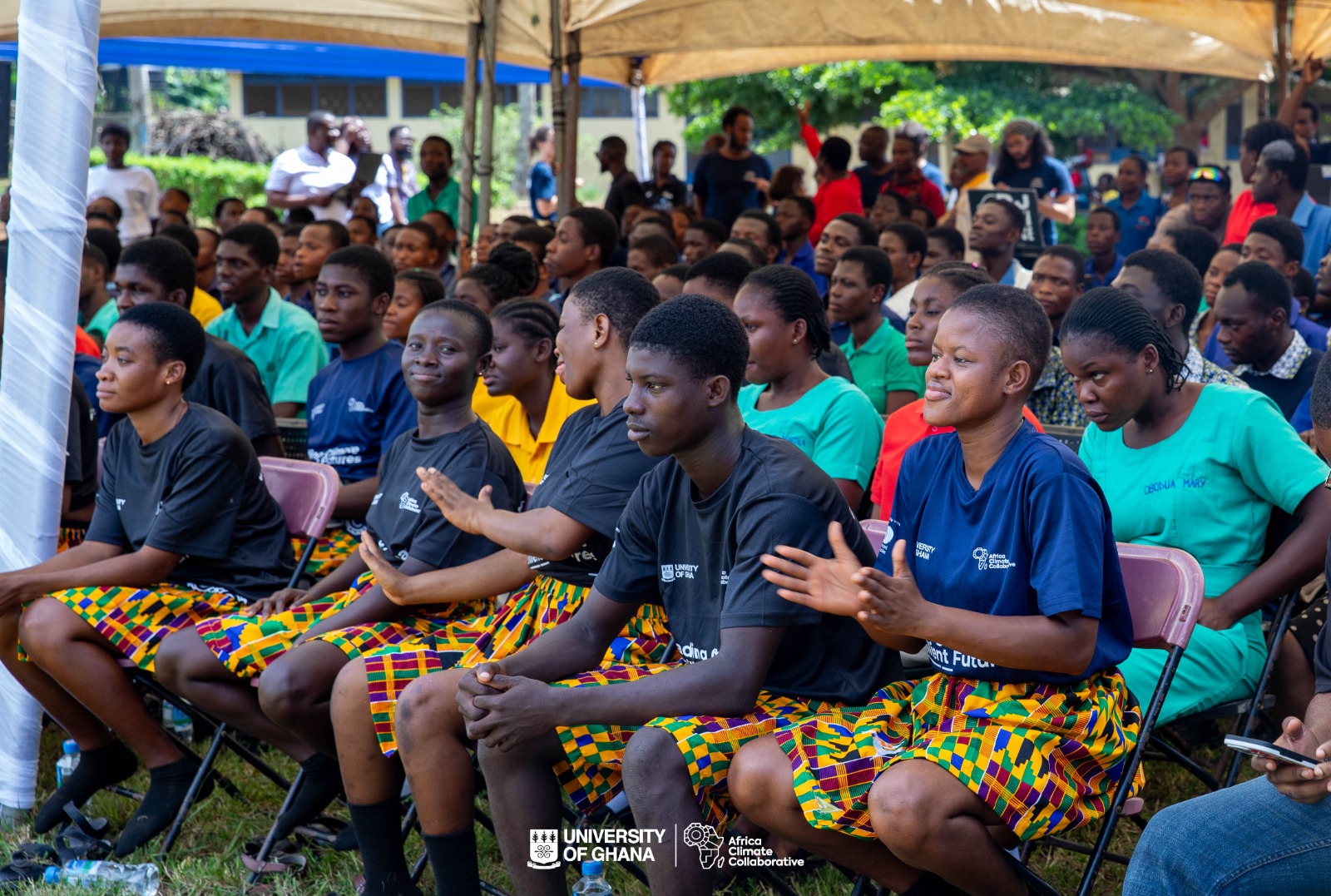
The event brought together students and staff of the Senior High Technical School for the Deaf, the Demonstration School for the Deaf (DEMODEAF), and the School for the Blind at Akropong, highlighting the importance of inclusive participation in climate action and sustainable development.
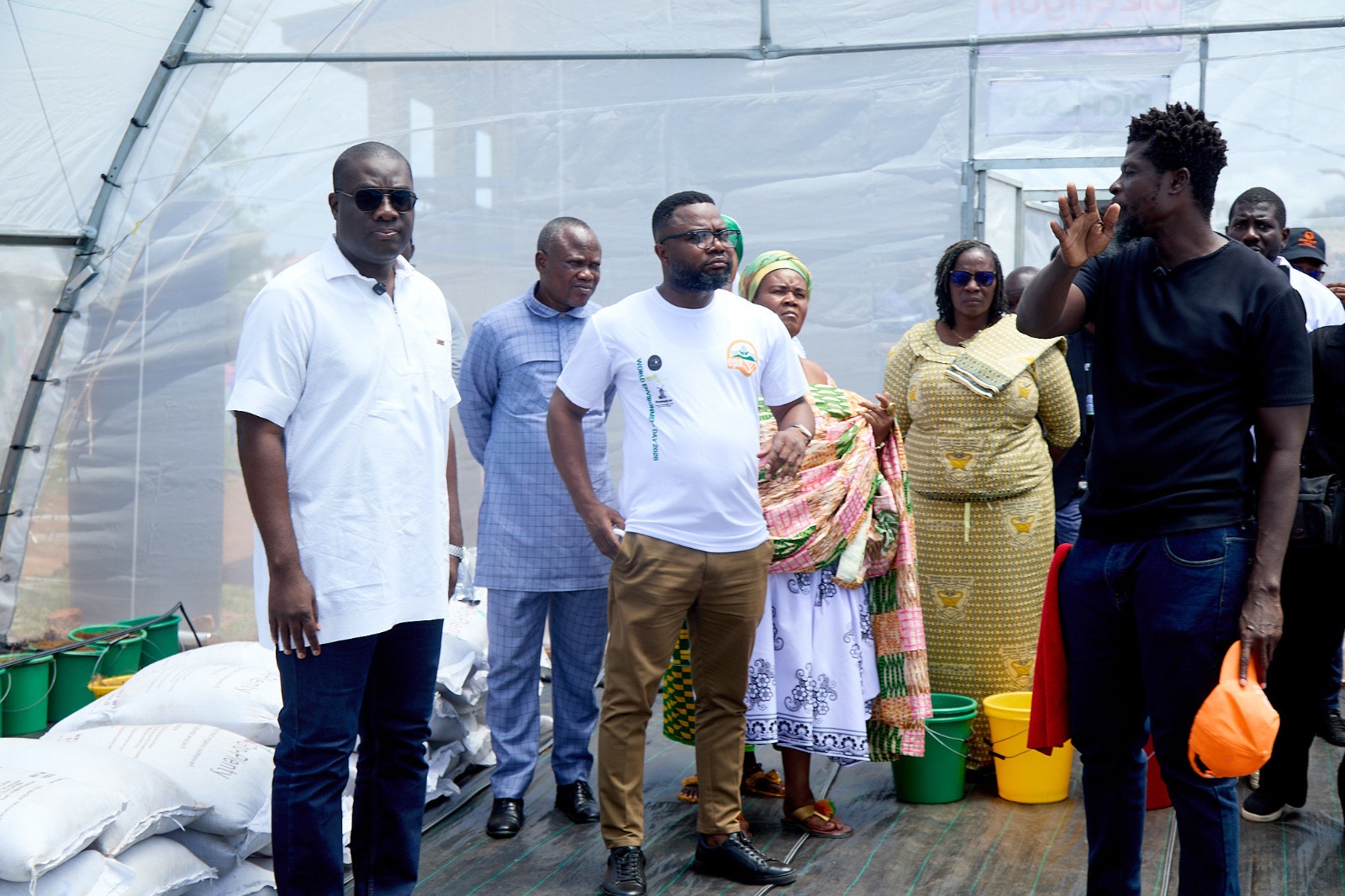
Addressing participants, Akuapem North Member of Parliament, Samuel "Sammi" Awuku, emphasised the need to invest in sustainable solutions that promote environmental conservation, food security, and climate resilience. He noted that empowering young people, including persons with disabilities, with agricultural skills can contribute significantly to national development while helping address challenges facing Ghana's food systems.

Project Manager of the University of Ghana Africa Climate Collaborative, Dr Joseph Clottey, explained that the greenhouse facility serves not only as an educational resource but also as a practical response to growing concerns about food security and climate change. According to him, the project demonstrates how innovative, climate-smart agricultural practices can increase food production while minimising environmental impacts.
The project comes at a time when concerns about food security, climate change, and sustainable food production continue to grow. Population growth and rapid urbanisation are increasing the demand for food, placing pressure on farmers to produce more on limited land. In many cases, this has resulted in the excessive use of fertilisers, herbicides, and pesticides to boost yields, raising concerns about environmental degradation, soil depletion, water contamination, and potential health risks.
Experts say greenhouse farming offers a practical solution to many of these challenges. By creating a controlled growing environment, greenhouse technology enables crops to be cultivated efficiently with less water, fewer pesticides, and reduced dependence on chemical fertilisers. The controlled conditions also help farmers manage pests and diseases more effectively, reducing the need for excessive agrochemical applications.
As Ghana continues to confront the effects of climate change and growing concerns about food security, stakeholders believe greenhouse projects such as this one offer practical solutions that can be replicated in schools, institutions, and urban communities across the country. Expanding greenhouse agriculture could help improve food security, reduce dependence on agrochemicals, lower greenhouse gas emissions, and promote more sustainable food production systems.
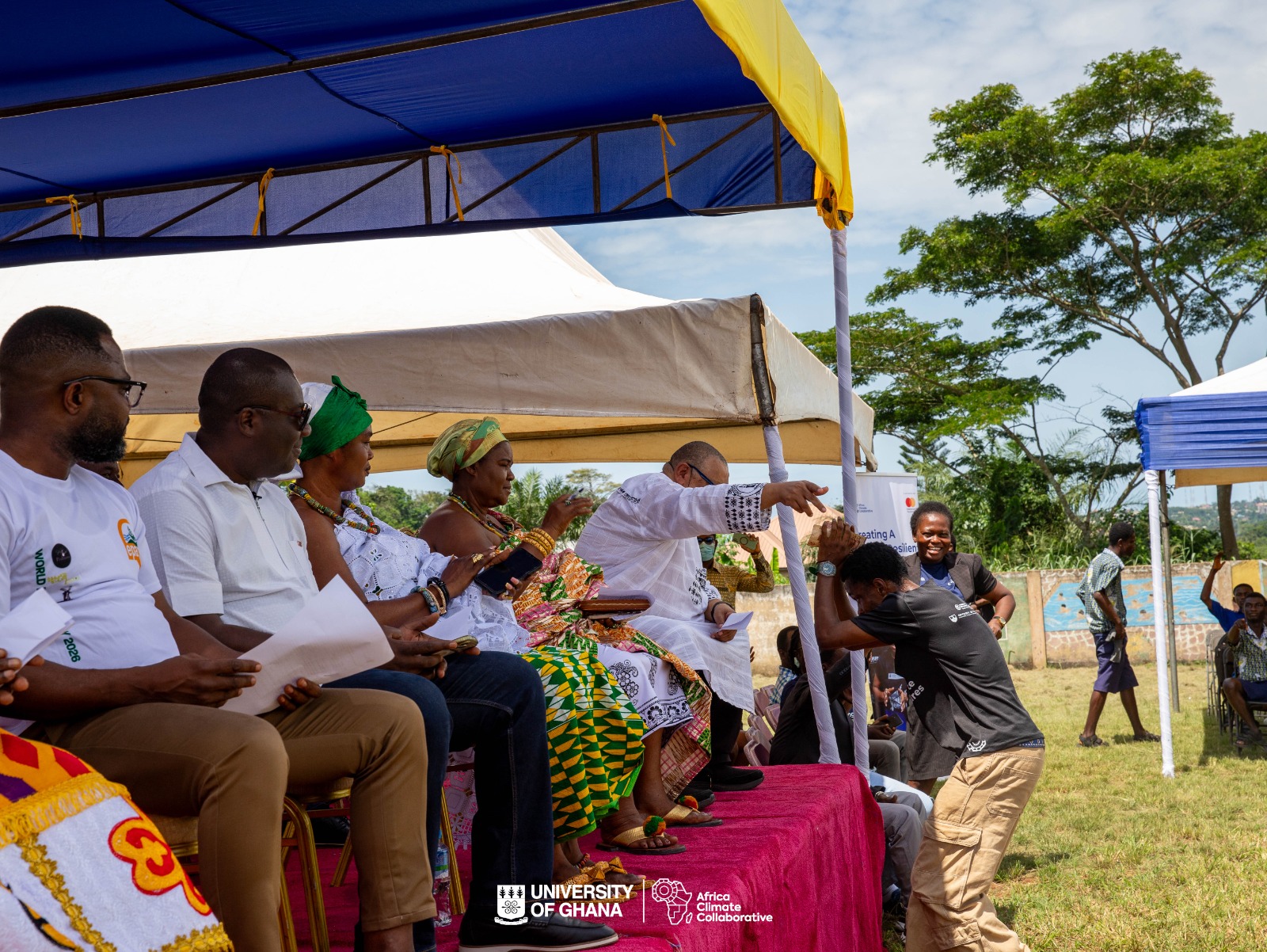
World Environment Day, celebrated annually on June 5, serves as a reminder that environmental protection and food security are connected. For many participants, the greenhouse project at Mampong-Akuapem is a significant step toward building a more resilient, inclusive, and sustainable agricultural future for Ghana.