In the conference halls of the Radisson Blu, Nairobi, a fundamental shift in the continent’s climate narrative has been formalised. For years, the global discourse on Africa has focused on its status as a "climate victim." Recently, at the second convening of the Africa Climate Collaborative, that narrative was replaced by a more practical ambition: the "how" of implementation at scale.
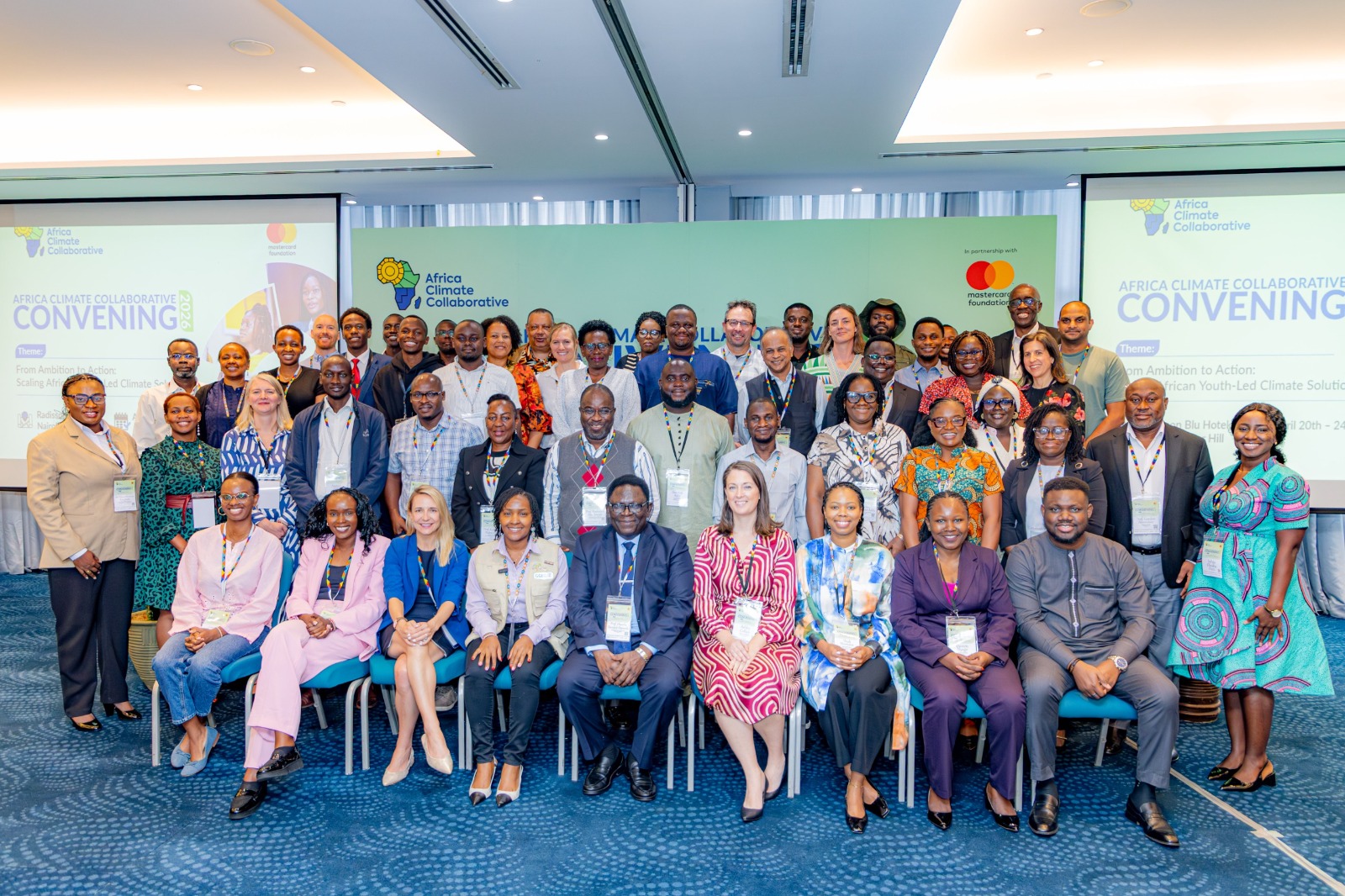
Held between 20th and 24th April, 2026, the convening, themed “From Ambition to Action: Scaling African Youth-Led Climate Solutions,” brought together a powerful coalition including the University of Ghana, the University of Cape Town, Makerere University, and the University of Cambridge, in partnership with the Mastercard Foundation and the Association of African Universities (AAU).
One key achievement of the Nairobi convening was the formal adoption of a unified brand architecture. This strategic move signifies the birth of the "Collaborative House", a transition from a collection of individual academic institutions into a singular continental entity.
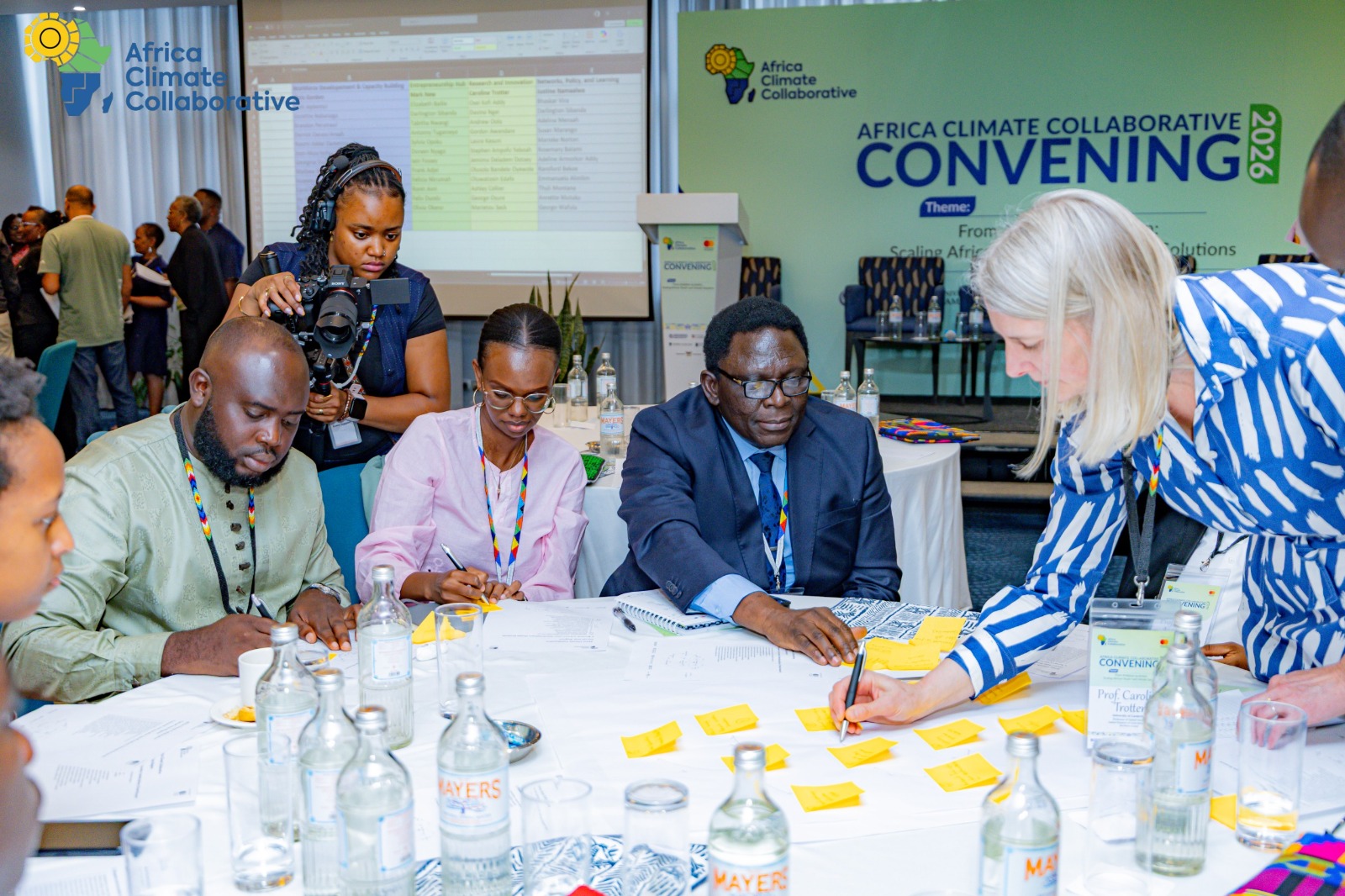
By speaking with one voice, the Collaborative has established a professional identity that commands credibility among international policymakers, private sector investors, and global climate actors.
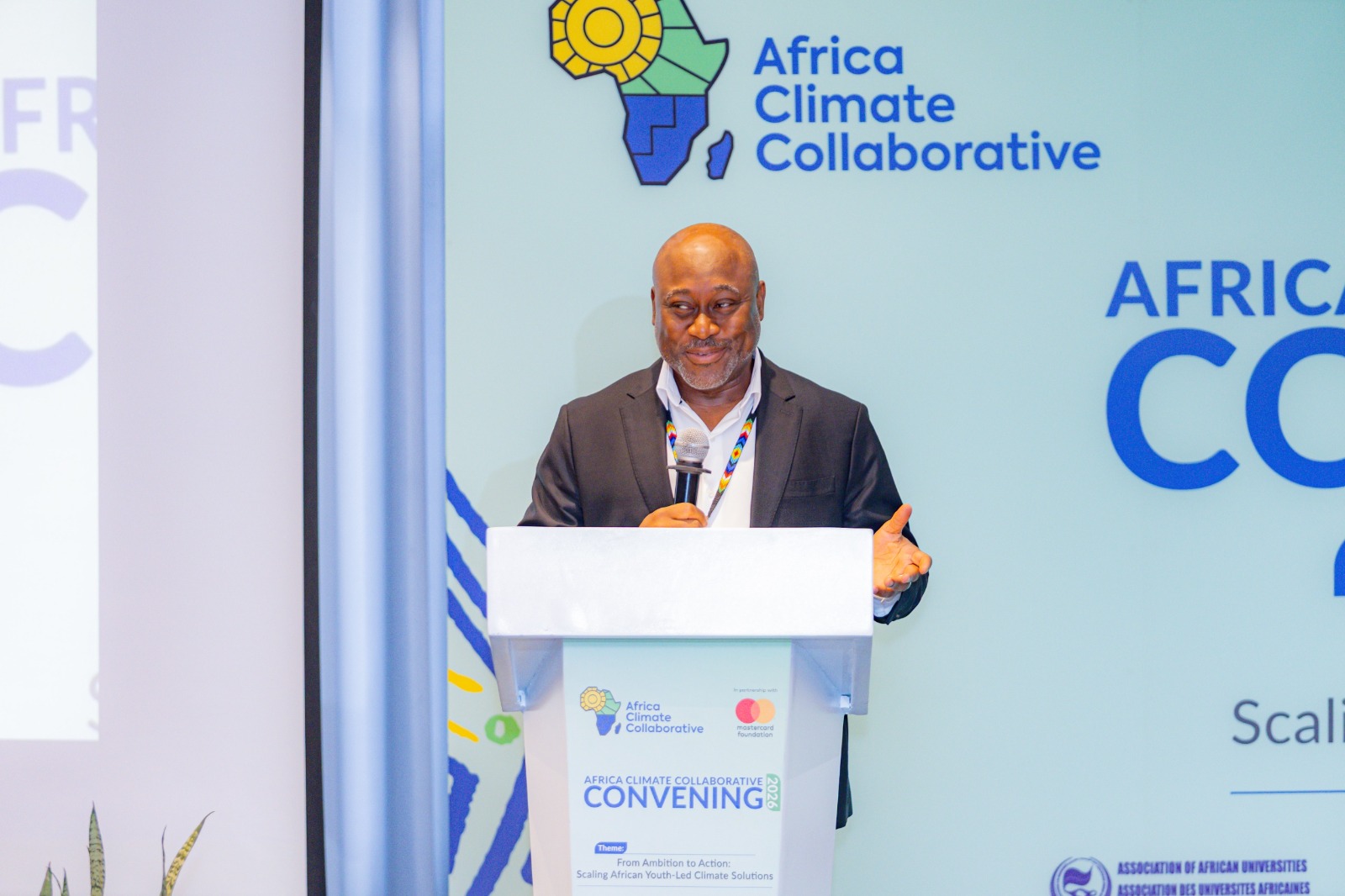
Professor Gordon Awandare, Project Director and Pro Vice-Chancellor at the University of Ghana, opened the sessions by contextualising this journey. If the 2025 foundational workshop in Accra was about sketching a blueprint, Nairobi 2026 was about starting the engine. He highlighted the great strides made by the partner universities and the synergy that amplifies their impact.
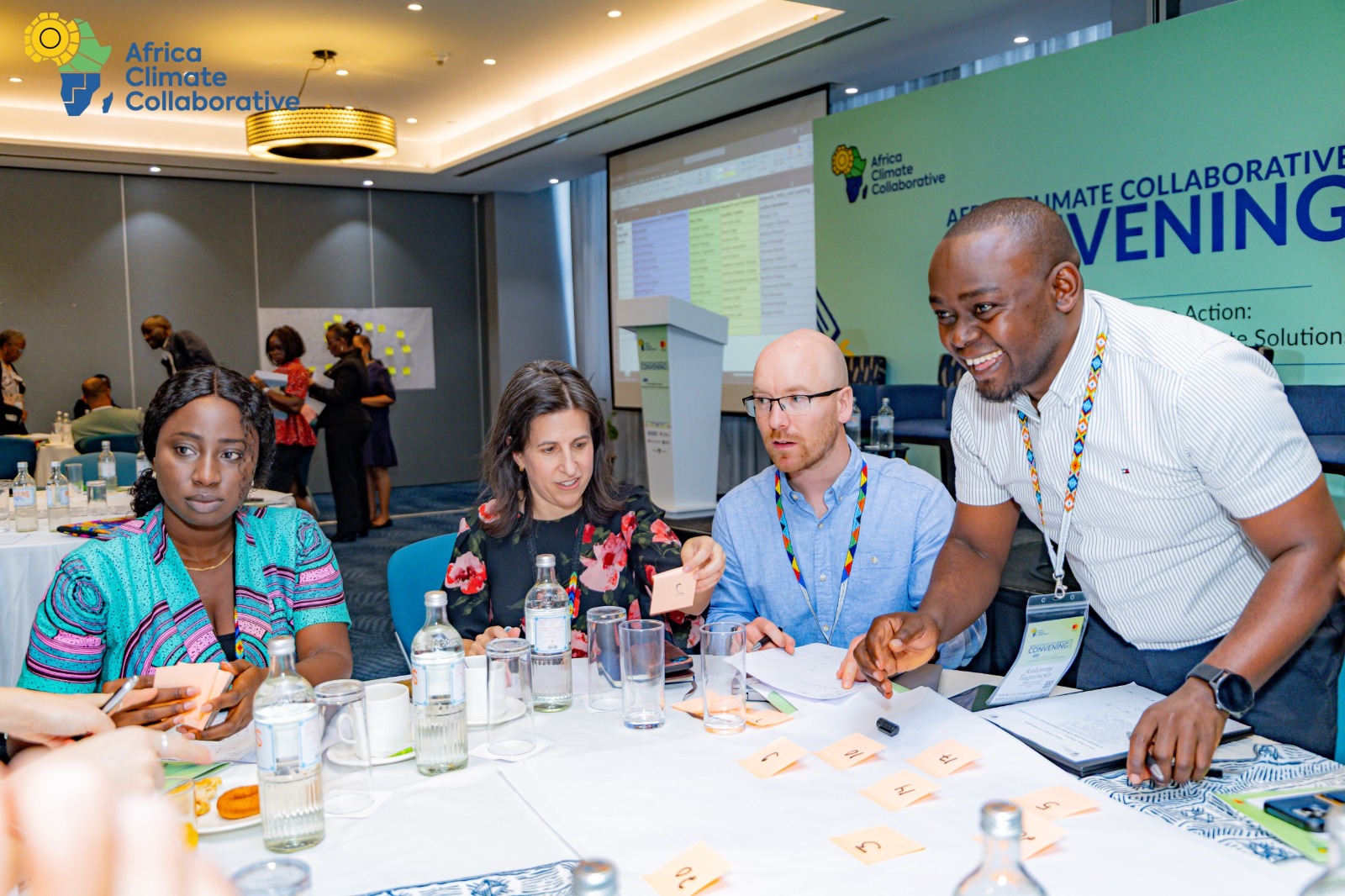
The convening marked the transition from youth as mere "beneficiaries" of climate aid to active "co-creators" of climate-smart innovations. This vision aligned partner universities with the emerging green economy, spotlighting Mastercard Foundation insights on higher education transformation led by Ashley Collier and Marietou Seck.
One of the most engaging discussions of the week centred on the future of employment. While global models often focus on elite, high-tech green roles, the Nairobi convening took a more grounded approach. Professor Chris Gordon of the University of Ghana highlighted the critical need to align climate initiatives with the informal economy and African labour realities.
The energy of the convening was personified by youth leaders like Elizabeth Wathuri, whose advocacy for climate-smart innovations for societal impact reminded delegates that the stakes are not just academic, but existential. From Lamu’s cooperatives to new agroforestry models, the solutions are already here; they simply require systemic support.
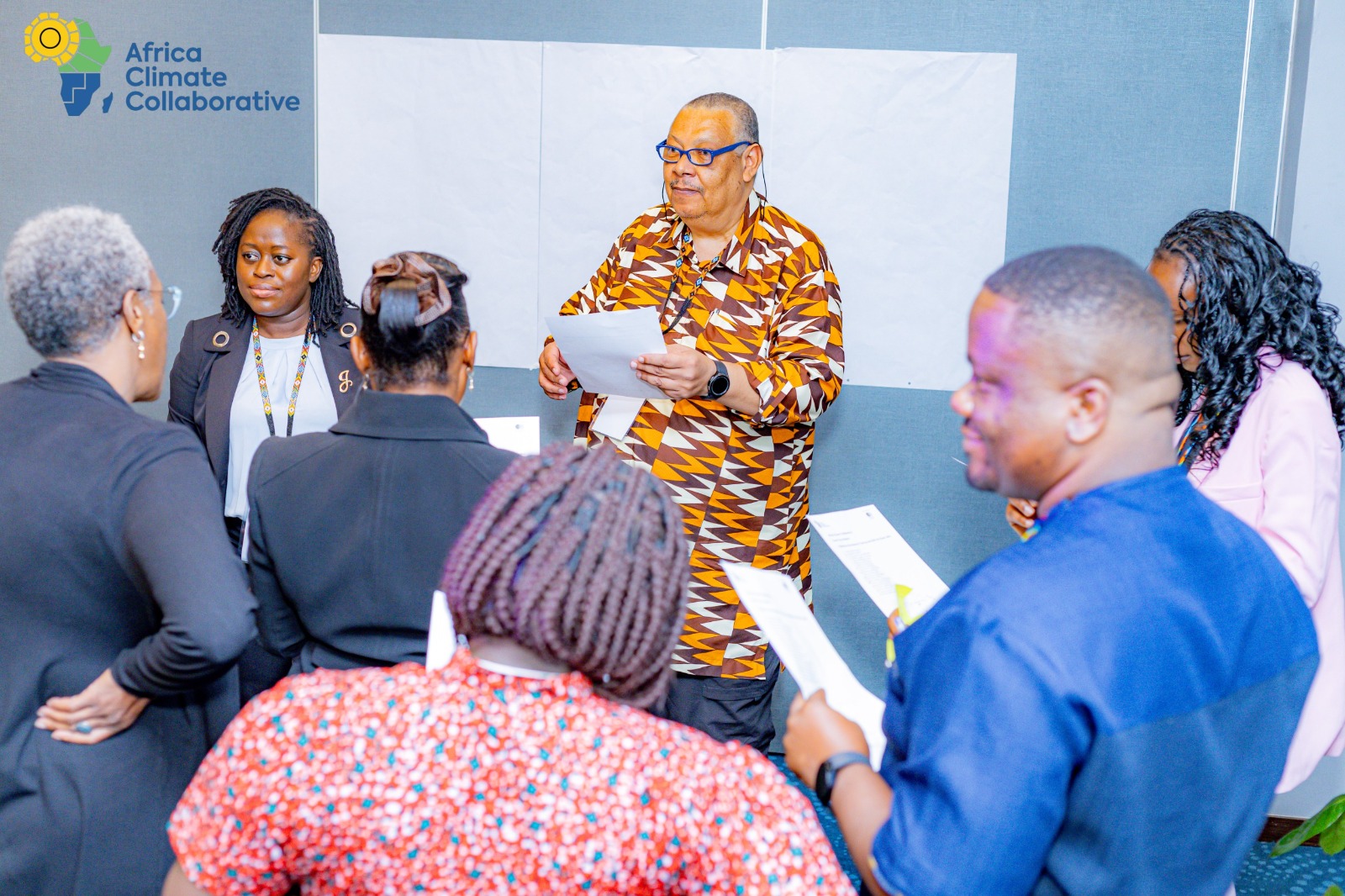
A significant milestone was the unveiling of the "Shared Measures 2.0" framework by Kazeem Adebayo. The Collaborative announced it had reduced its reporting metrics from 63 output-oriented indicators to just nine core impact indicators.
This new framework prioritises youth employment outcomes and evidence-based impact. It ensures that over the next five years, the Collaborative can refine its strategies in real-time based on what works for young people in the field.
The true impact of the Nairobi convening lies in the collective commitment to break these systemic cages. By focusing on curriculum reform, a call led by Professor Gorettie Nabanoga of Makerere University and Professor Mark New of the University of Cape Town, the Collaborative is redistributing power back to the youth. The goal is to move African universities from "ivory towers" of research to "impact hubs" that drive the emerging green economy.