The Africa Climate Collaborative at the University of Ghana supported the School of Social Sciences at the University of Ghana to officially hold a high-level International Conference aimed at addressing the continent's most pressing climate and social challenges through the lens of digital innovation.
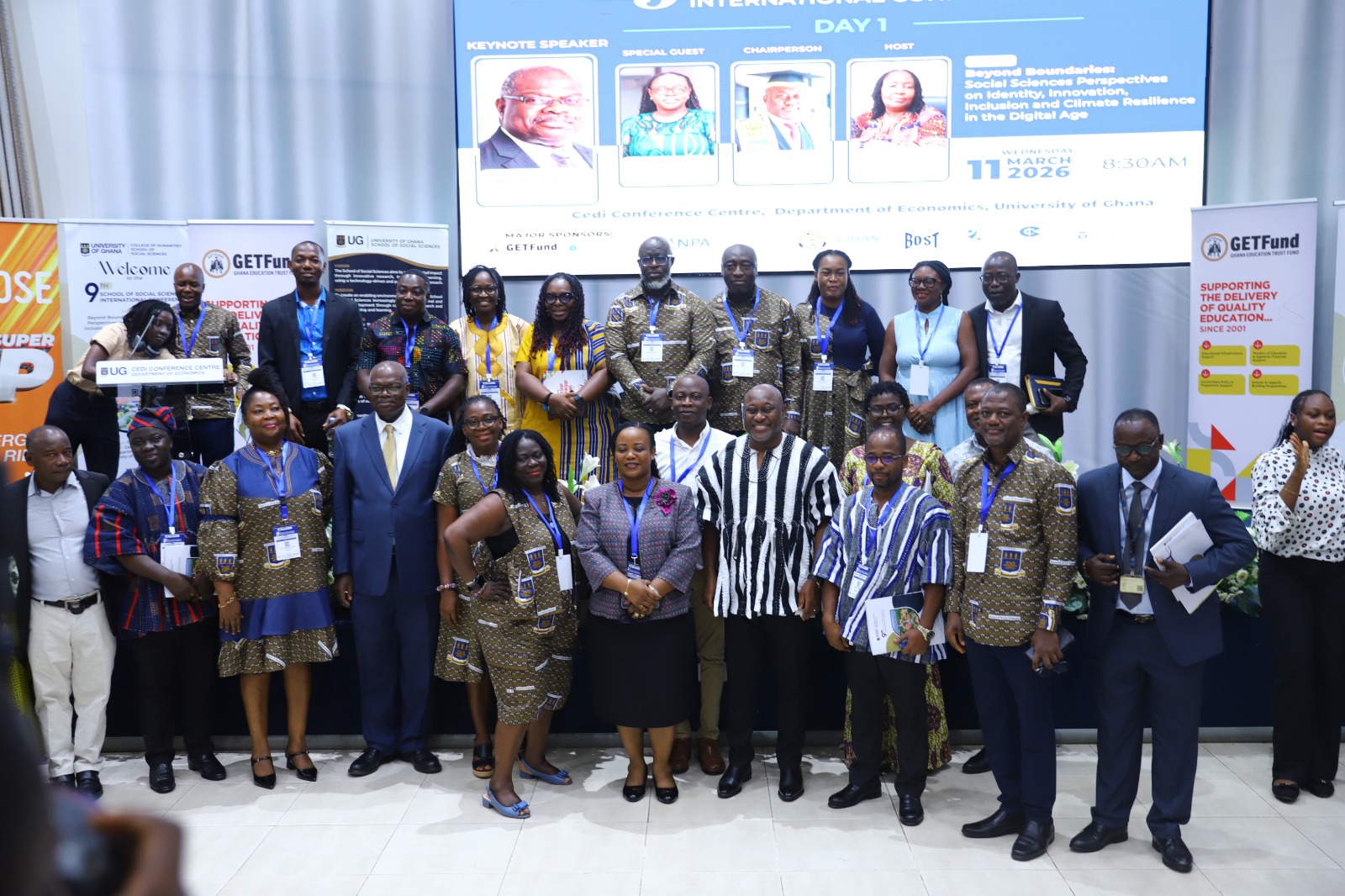
The two-day event, themed 'Beyond Boundaries: Social Science Perspectives on Identity, Innovation, Inclusion, and Climate Resilience in the Digital Age,' convened an assembly of faculty, students, and policy experts from across the West African sub-region to explore interdisciplinary solutions to climate vulnerability.
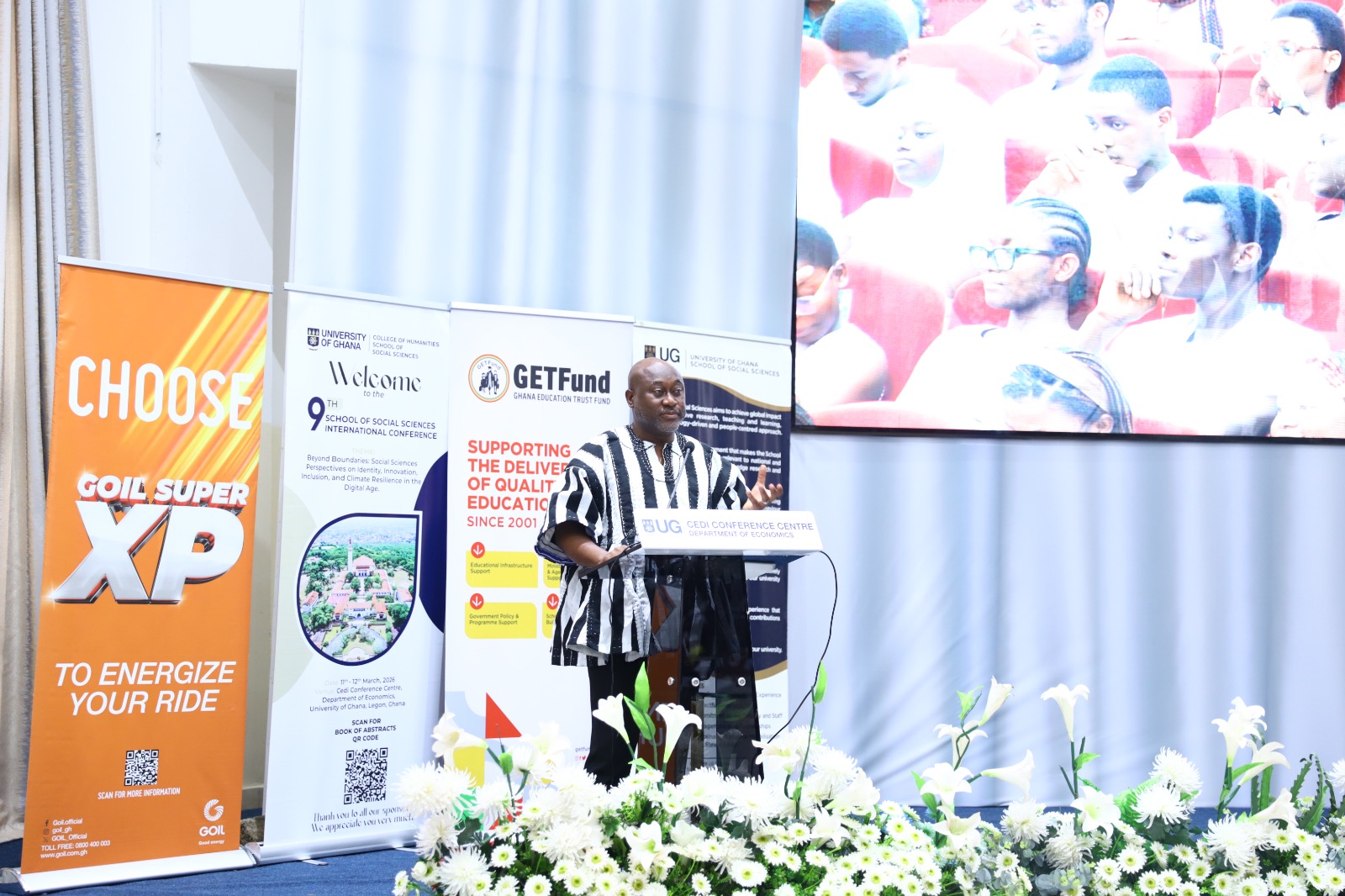
Delivering the opening address, Professor Gordon Awandare, Pro Vice-Chancellor for Academic and Student Affairs and Project Director of the Africa Climate Collaborative, announced the official opening of applications for the collaborative’s second cohort of fellowships.
The program offers fully funded Master’s, PhD, and Post-Doctoral Fellowships designed to nurture a new generation of African researchers. Professor Awandare issued an appeal to the youth, emphasising that the selection process will prioritise inclusivity.
"We are committed to diversity and equity," Prof. Awandare stated. "We strongly encourage applications from young women, persons with disabilities, and individuals from displaced backgrounds to step forward and lead Africa’s climate resilience efforts."
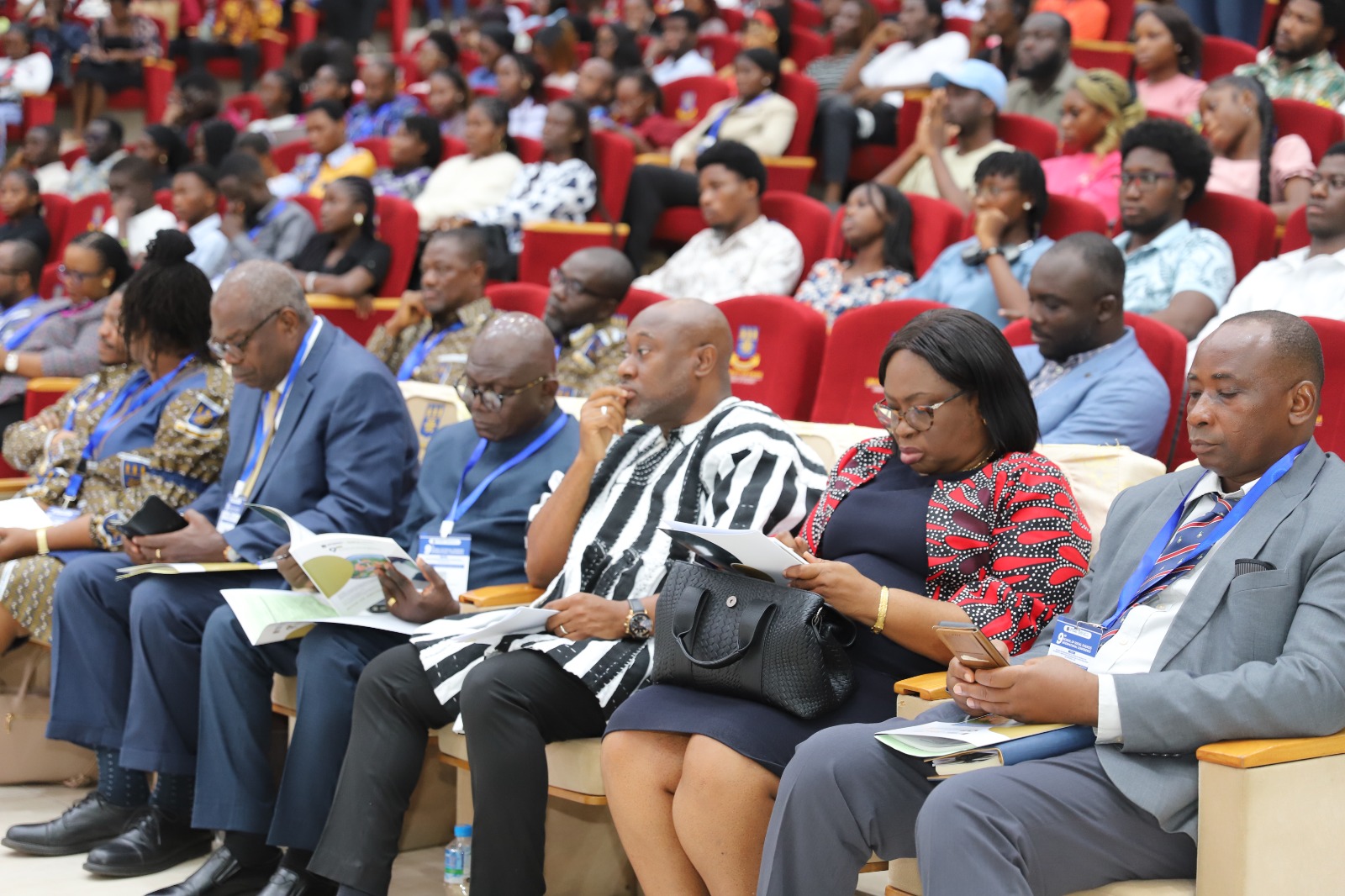
The conference featured a robust lineup of academic leadership, signalling its importance to the University of Ghana’s research agenda. Prof. Emeritus Ernest Aryeetey delivered the opening keynote address, providing a foundational economic and social perspective on identity in the digital era.
The event was structured to promote deep academic exchange through several parallel sessions, allowing experts to present findings on themes ranging from sustainable agriculture to indigenous knowledge systems.
The conference concluded with a shift in focus toward "Indigenous knowledge." Prof. Yegandi Imhotep Paul Alagidede, Bank of Ghana Chair in Finance and Economics, while delivering the second keynote address, explored how reclaiming Ghanaian identity can foster innovation and inclusion in the face of environmental pressures.
The Africa Climate Collaborative, implemented in partnership with the Mastercard Foundation, continues to serve as a pan-African bridge, linking the University of Ghana with global peers including the University of Cambridge, the University of Cape Town, and Makerere University.